
Few pet ownership topics spark as much debate as this one. Ask ten cat owners whether cats should live indoors or have outdoor access, and you’ll likely get ten confident, very different answers.
Instead of opinions, here’s what the research actually shows — on lifespan, safety, behavior, and quality of life — so you can make an informed decision for your own cat.
The Lifespan Gap Is Real
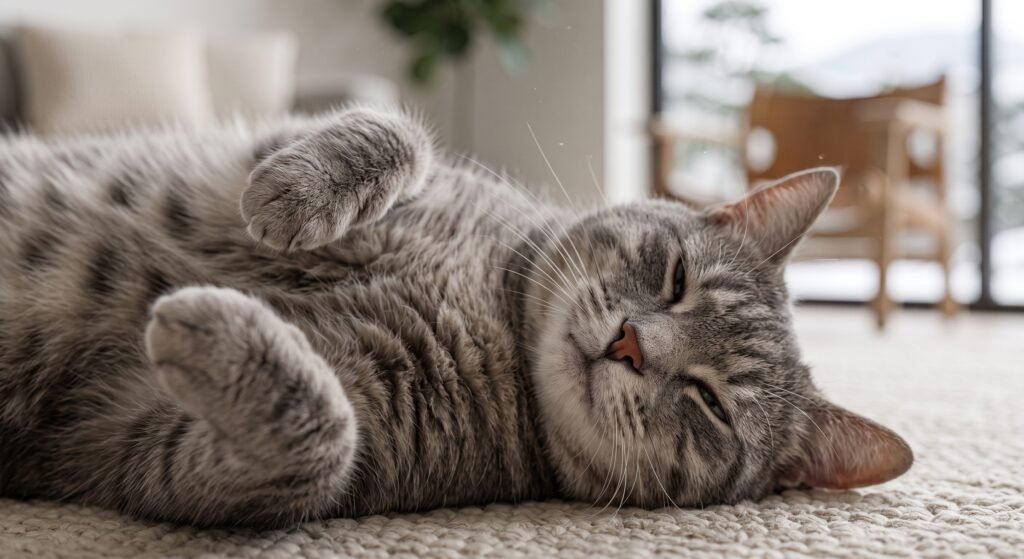
This is the most consistent finding across studies: indoor cats live significantly longer than outdoor cats, on average. Estimates vary, but many veterinary sources put average outdoor cat lifespans at 2 to 5 years, compared to 12 to 18 years for indoor cats.
The reasons are straightforward: outdoor cats face car accidents, predators (coyotes, larger dogs, birds of prey depending on region), fights with other cats, exposure to poisons and traps, and a higher risk of contracting infectious diseases like FIV and FeLV through contact with other cats.
This single statistic is why most veterinarians today recommend indoor-only living, especially in urban and suburban areas.
What Outdoor Access Actually Offers
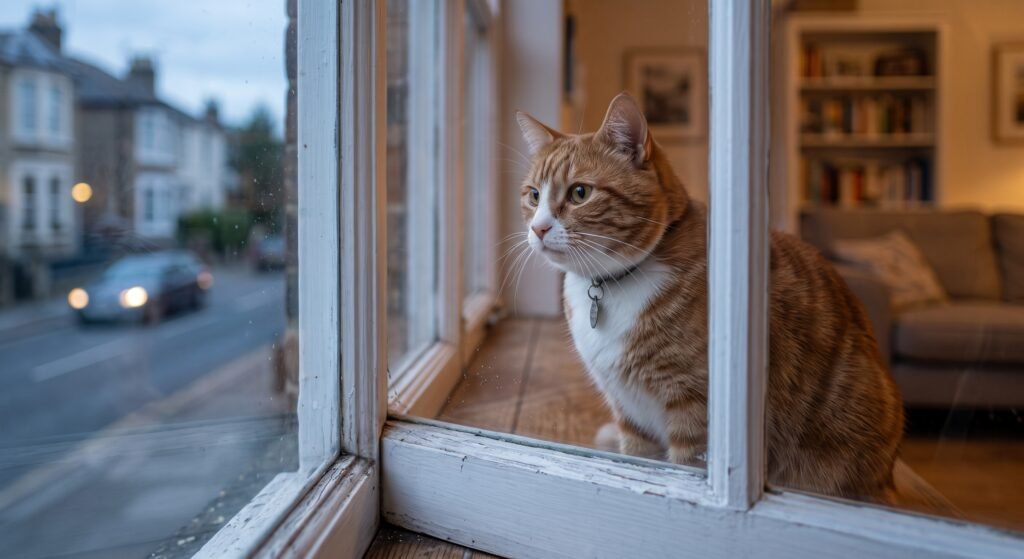
It’s not just stubbornness that makes people want their cats to go outside — there are real benefits researchers acknowledge:
- More natural opportunities for hunting behavior and physical exercise
- Exposure to varied sensory environments (smells, sounds, textures)
- For some individual cats, reduced stress-related behaviors like over-grooming or aggression that can come from feeling confined
The key phrase is “for some individual cats.” Outdoor access isn’t inherently better for welfare — it depends heavily on the individual cat’s temperament and how enriched their indoor environment already is.
The Environmental Impact Nobody Talks About
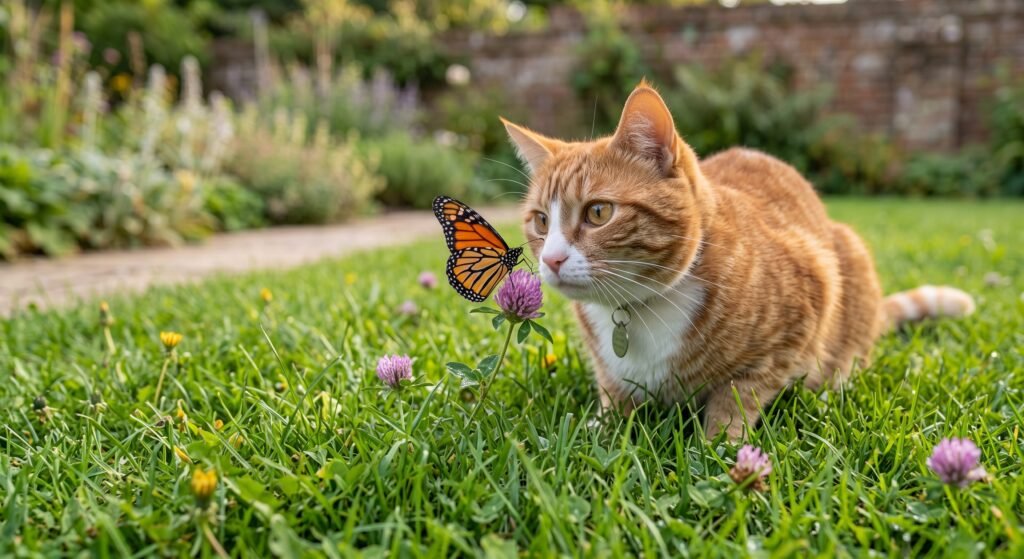
This is often left out of the conversation entirely: outdoor and free-roaming cats have a measurable impact on local wildlife. Studies estimate that outdoor domestic cats collectively kill billions of birds and small mammals annually in the United States alone. In some regions, they’re considered a significant factor in local declines of certain bird species.
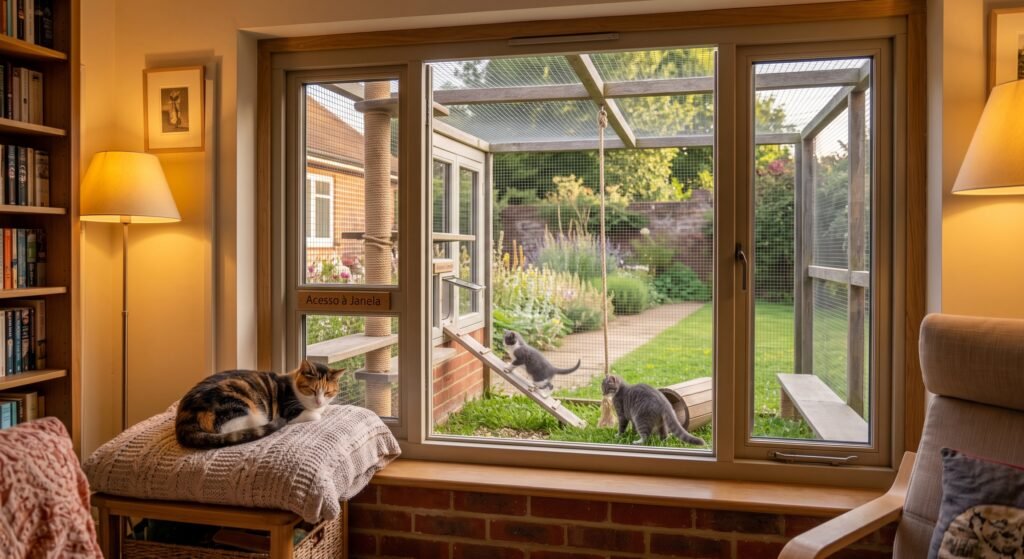
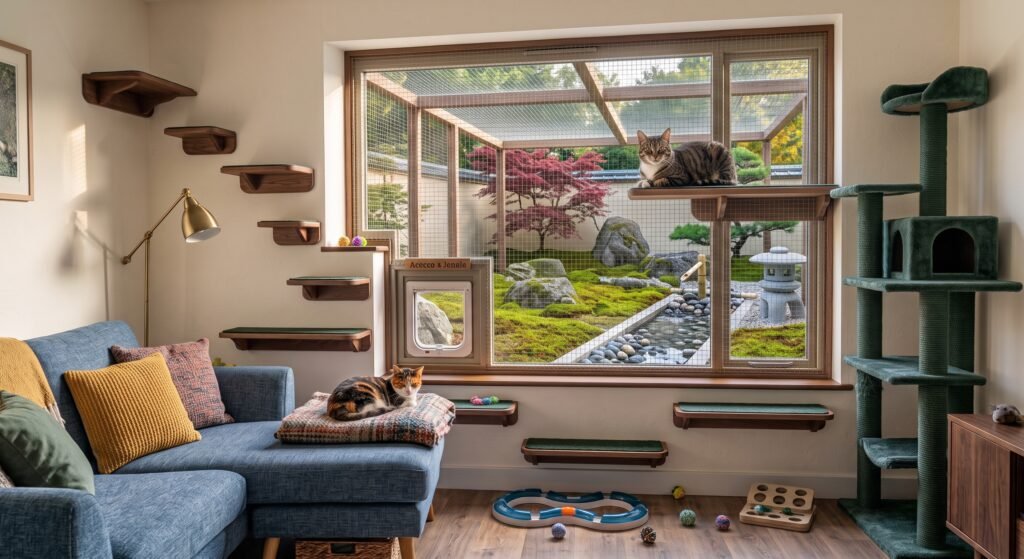
If you have outdoor access and care about this impact, a “catio” (an enclosed outdoor cat patio) or supervised leash walks can offer outdoor stimulation without the ecological cost.
Indoor Cats Aren’t Automatically Happy Cats
Here’s the part that gets missed in a purely “indoor is safer” framing: a bored, understimulated indoor cat can develop real behavioral and welfare problems too — obesity, destructive scratching, litter box avoidance, and excessive vocalization are common signs of an under-enriched indoor environment.
Choosing indoor living is only half the equation. The other half is making sure that indoor environment actually meets a cat’s behavioral needs.
How to Enrich an Indoor Cat’s Life
If you’re keeping your cat indoors (which most research supports for safety and lifespan), these make a real difference:
- Vertical space — cat trees, shelves, or window perches let cats climb, observe, and feel secure
- Scratching options — multiple textures and locations, not just one post in a corner
- Puzzle feeders — turn mealtime into a mental challenge instead of a five-second event
- Window access — a comfortable perch near a window with a view of birds or activity outside provides passive stimulation
- Play sessions — 10–15 minutes of interactive play (wand toys, chasing games) once or twice a day mimics natural hunting behavior
- Rotating toys — swapping toys every week or two keeps novelty high instead of letting them gather dust
What About a Middle Ground?
For owners who want to offer some outdoor experience without the risks of free-roaming, a few options are gaining popularity:
- Catios: secure, enclosed outdoor structures attached to a window or door
- Leash and harness training: takes patience, but many cats can learn to enjoy supervised outdoor walks
- Outdoor enclosures or “cat fencing”: systems designed to keep cats contained within a yard
These options let a cat experience fresh air, sunlight, and sensory stimulation, without the traffic, predator, and disease risks of unsupervised outdoor access.
So What Should You Actually Do?
If your priority is your cat’s safety and longevity, the research strongly supports indoor living, ideally paired with genuine environmental enrichment rather than indoor life by default.
If you already have an outdoor cat and are considering transitioning them indoors, know that it’s very possible, but usually needs to be gradual, with enrichment introduced before outdoor access is reduced, to avoid a stressful transition.
The Bottom Line
The lifespan and safety data clearly favors indoor living. But “indoor” isn’t automatically synonymous with “good welfare” — an indoor cat in a barren environment can struggle just as much, in different ways, as an outdoor cat facing physical risks. The real goal isn’t indoor versus outdoor. It’s making sure your cat’s specific environment, wherever it is, actually meets their physical and behavioral needs.
This post is for educational purposes and isn’t a substitute for professional guidance. If you’re considering a change to your cat’s living environment, or if your cat is showing signs of stress or behavioral problems, consult your veterinarian or a certified feline behaviorist.